Source Building Construction Steel Prop for Scaffolding
Find 25 verified building construction steel prop options for internal and external scaffolding projects. Compare galvanized steel props, mobile frames, and custom sizes from Chinese manufacturers to match your specific structural requirements; compare the available evidence and request quotations based on your requirements.
Key considerations
Products List




Comprehensive Sourcing Guide
Building Construction Steel Prop Sourcing Guide
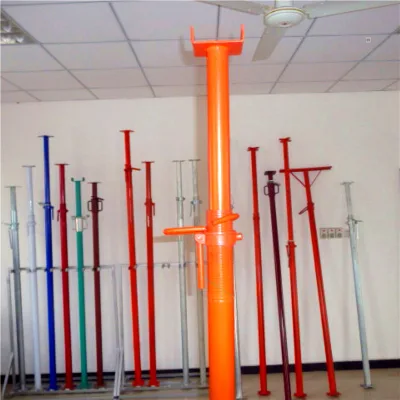
Procuring steel props for building construction requires a disciplined approach to verifying structural integrity and supply chain reliability. These adjustable support systems are critical for temporary load-bearing applications during concrete pouring and formwork installation. Buyers must prioritize products that demonstrate consistent load capacity and dimensional accuracy to prevent site delays or safety incidents. The market offers various configurations, including floor type and wall hanging scaffolding, each suited to specific erection positions and structural styles.
Understanding the distinction between internal and external scaffolding setups is essential for selecting the right prop type. Multi-pole and combined scaffolding frameworks often integrate these props to create stable working platforms. Buyers should evaluate whether the product aligns with their specific project requirements, such as horizontal mobile scaffolding or projecting scaffolding modes. This alignment ensures that the procurement matches the physical constraints and load demands of the construction site, optimizing both safety and operational efficiency.
Product Scope and Observed Listing Signals
The observed market signals indicate a diverse range of steel prop models, with specifications varying significantly across listings. Common model identifiers include HH01, HH02, HH03, HH04, HH11, and MTM PROP, suggesting a broad catalog of available sizes. Lengths typically range from 2 to 15 meters, accommodating various ceiling heights and structural depths. Thickness specifications often fall between 2mm and 3mm, which directly influences the prop’s load-bearing capacity and durability under heavy construction loads.
Price points in the observed data range from 1 to 35 USD, reflecting variations in material quality, surface treatment, and order volume. Minimum order quantities (MOQ) generally span from 50 to 10,000 units, allowing flexibility for both small-scale renovations and large commercial projects. Buyers should note that customization is widely available, including color options and specific dimensional adjustments. This flexibility allows procurement teams to tailor products to brand standards or specific site safety requirements without compromising on core structural performance.
Technical Specifications to Verify
Verifying the structural style and supporting mode is crucial for ensuring compatibility with existing scaffolding systems. Products are often categorized as frame combined scaffolding or doors scaffolding, each requiring specific connection methods and load distribution strategies. The surface treatment, typically galvanized or painted, plays a vital role in corrosion resistance and longevity. Buyers must confirm that the galvanized layer meets industry expectations for durability, especially in humid or outdoor construction environments where rust prevention is paramount.
Dimensional accuracy and material composition are non-negotiable technical requirements. The standard dimensions of 4860mm or 4856mm are common, but buyers must verify these against their formwork templates. The material is predominantly steel or metal, with some components like handles made of iron. It is essential to confirm that the steel grade meets the required tensile strength for the intended load. Additionally, the lapping form, whether single row or special-shaped, must align with the erection position, whether internal or external, to ensure stable support.
Compliance and Safety Documentation
Safety compliance is the cornerstone of any successful scaffolding procurement. Buyers must request documentation that verifies adherence to European and American standards, which govern the structural integrity and safety factors of steel props. Certifications such as ISO, RoHS, and CE are frequently cited, indicating that the manufacturer follows recognized quality management and environmental standards. These documents provide assurance that the products have undergone rigorous testing and meet international safety benchmarks for temporary support structures.
Beyond certifications, buyers should inquire about specific test reports related to load capacity and stability. While specific test results are not always listed, the presence of compliance marks suggests that such data exists. It is advisable to request third-party inspection reports that validate the prop’s performance under maximum load conditions. This due diligence helps mitigate the risk of structural failure on site. Ensuring that the product documentation is complete and up-to-date is a critical step in maintaining a safe and compliant construction environment.
Cost Drivers and Commercial Terms
Several factors influence the final cost of steel props, including material prices, surface treatment complexity, and order volume. Galvanization and printing processes add to the manufacturing cost but enhance the product’s lifespan and aesthetic appeal. Buyers should consider the total cost of ownership, which includes maintenance and replacement costs over the project lifecycle. Higher initial investment in durable, galvanized props may result in significant savings by reducing the frequency of replacements and minimizing downtime due to equipment failure.
Commercial terms such as delivery time and payment conditions are also key considerations. Lead times typically range from 10 to 20 days, depending on the order size and customization requirements. Buyers should negotiate clear delivery schedules to align with their project timelines. Packing methods, such as tray and bandage packing or container loading, affect shipping costs and handling efficiency. Understanding these commercial variables allows procurement teams to budget accurately and avoid unexpected expenses that could impact the overall project financials.
Supplier Qualification and Quality Control
Selecting a qualified supplier is essential for ensuring consistent product quality and reliable service. Buyers should verify the supplier’s manufacturing capabilities, including their ability to produce customized products and maintain strict quality control processes. Suppliers originating from major manufacturing hubs like China often have established supply chains and competitive pricing. However, buyers must conduct thorough due diligence to ensure that the supplier adheres to international quality standards and has a proven track record of delivering safe and durable products.
Quality control measures should include regular inspections of raw materials, production processes, and finished goods. Buyers should request samples for preliminary testing to verify dimensions, material thickness, and surface treatment quality. Establishing a clear communication channel with the supplier is also important for addressing any issues that may arise during production or delivery. By prioritizing suppliers with robust quality control systems, buyers can minimize the risk of receiving defective products and ensure that their construction projects proceed smoothly and safely.
Long-Term Procurement Checks
Long-term procurement success depends on continuous monitoring of supplier performance and product quality. Buyers should establish key performance indicators (KPIs) to track delivery times, product defect rates, and customer service responsiveness. Regular audits of the supplier’s quality management systems can help identify potential issues before they impact production. Maintaining a diverse supplier base can also mitigate risks associated with supply chain disruptions, ensuring that the project remains on schedule even if one supplier faces challenges.
Additionally, buyers should stay informed about industry trends and technological advancements in scaffolding and support systems. This knowledge can help identify opportunities for cost savings or performance improvements. Regularly reviewing and updating procurement strategies based on market conditions and project requirements is essential for maintaining a competitive edge. By fostering strong relationships with reliable suppliers and implementing rigorous quality control measures, buyers can ensure the long-term success and safety of their construction projects.
FAQs
What materials are used for building construction steel props?
Building construction steel props are primarily made from steel and metal materials. The surface treatment includes galvanizing and printing to ensure durability. Some components feature iron handles, while the main structure relies on high-strength steel for reliable support in various construction scenarios.
Can these steel props be customized for specific projects?
Yes, customization is available for building construction steel props to meet unique project needs. Buyers can request specific colors, dimensions, and structural styles. The products support various standards including European and American specifications, allowing flexibility for different international construction requirements and safety protocols.
What is the delivery time for ordering steel props?
The delivery time for these products typically ranges from 10 to 20 days after order confirmation. Some specific models may require 15 to 20 days for processing and shipment. This timeline ensures quality control while maintaining efficient supply chain operations for construction projects requiring timely scaffolding solutions.
Which certifications do the steel props hold for safety?
The steel props hold ISO, RoHS, and CE certifications to ensure compliance with international safety standards. These certifications verify that the products meet rigorous quality and environmental requirements. Buyers can rely on these credentials when sourcing scaffolding components for projects requiring strict adherence to global construction safety regulations.
How are the steel props packed for shipping?
Steel props are packed using tray and bandage packing methods to prevent damage during transit. Alternatively, they can be shipped by container or in bulk depending on order volume. This flexible packaging approach ensures the products arrive safely at construction sites while optimizing logistics costs for large-scale procurement orders.
What specifications are available for the steel prop models?
Available specifications include dimensions like 48*60mm and lengths ranging from 2 to 15 meters. Thickness varies between 2mm and 3mm to suit different load requirements. Models such as HH01 and MTM PROP offer specific configurations for various scaffolding applications in both internal and external erection positions.
Where are these steel props manufactured and sourced from?
These steel props are manufactured and sourced from China, a major hub for construction equipment production. The origin ensures access to competitive pricing and a wide range of product variations. Buyers can expect consistent quality and availability from established suppliers located in this key manufacturing region for global construction needs.